Research shows that when persons experience improved personal proficiency, their abilities to function improve, and when understandings of skills are diminished, the threat of regression into bothersome habits considerably boosts (Thombs, 1999). Miller (2006) talks about self-efficacy as one of several "fairly trustworthy" predictors of habits change; others consisting of expressions of motivation and dedication in addition to taking specific actions to go to and adhere to alter efforts.
A treatment strategy designed to enhance a customer's perceptions of self-efficacy has the potential to enhance the client's working by promoting the client's ability to regulate one's own habits in healthier methods. Social cognitive theory (Bandura, 1977) defines four means by which efficacy expectations can be altered, and these can be directly incorporated into treatment strategies as objectives for moving towards the goal of enhanced self-efficacy.
The subsequent conversation looks particularly at the importance of these four basic classifications of information to a therapist's efforts to alter a customer's self-efficacy for individual change in the context of treating compound use disorders. A client's efficiency accomplishments offer powerful information about the possibility of success in reaching recognized objectives and objectives.
In many cases this lack of conviction gets rationalized into an absence of desire for things to be different. Such customers argue and may genuinely believe that they prefer utilizing drugs and welcome the effects over the alternatives. The therapist who shows curiosity and interest in the client's perspective and checks out that customer's sense of efficiency achievements in more depth will typically face the client's ambivalence.
A treatment strategy can integrate efficiency accomplishment objectives by specifically looking at what the client can do to lower or get rid of troubles the customer has actually formerly been unable to manipulate satisfactorily. In some cases, this will include momentarily suspending judgment about whether quiting substance use completely will be a needed condition for successful issue reduction.
In any case, the therapist's job is to shape the treatment strategy by establishing techniques and timeframes that are likely to fulfill the objective of offering the customer the experience of successfully achieving a significant task. This, naturally, is best achieved through the technique of going over with the customer what makes up an outcome worthwhile of the client's effort, and what type of effort the customer is willing and able to apply.
An example of working out efficiency objectives accompanies Jason, who says a month before his college graduation that he is thinking about quiting his everyday cannabis practice when he starts his new job right afterward. However, when he has actually attempted staying away, he repeatedly capitulated to his advises to smoke.
3 Simple Techniques For How Often Should I Take Shrooms As Treatment Addiction
He calls himself a "pothead," confessing that it has been weeks, perhaps months, given that he has actually avoided a day of cigarette smoking. His therapist advises that Jason commit to staying away until final exams are over, to see what it resembles for him to do so, and to clear his head for upcoming tests.
The therapist suggests that as an experiment, Jason attempt refraining from any use for the coming week, and after that reporting back in the next session how it went and what he wishes to do from that point. The customer says he would be ready to bypass cannabis use on the weekdays, however isn't willing to dedicate to that goal for the weekend since of huge plans on which he elaborates.
The therapist reiterates the strategy to talk more next week about Jason's experience of abstaining on weekdays and his thoughts about next steps in light of his overall objectives, and the customer concurs. Another example is Rhonda, who reports a number of physical symptoms she connects with her substance use, however who states she has actually not had a total physical in years.
In this case the therapist might suggest goals such as checking out Rhonda's doubts and fears about a medical assessment, weighing her options, preparing and even practicing what she wishes to ask the medical professional if she does decide to go, or searching for her signs on the Web or at the library.
From the list of alternatives they generate together, the customer can show the ones she wants to attempt, and the therapist can even more explore the client's reasons. Encouraging the customer to make purposeful options about the course of action in therapy and guiding action along a possible course both increase the customer's chances of accomplishing successes that will motivate extra action and more commitment to the treatment process.
Treatment strategies can evolve as customers take part of the powerful details about their efficacy offered by their successful performance of treatment goals. The therapist tries to steer the customer towards goals that are most likely to offer the clients with the experience early in therapy of effectively mastering a fairly simple task, and then approaching effort and mastery of more complex tasks. Regardless, customers in the preparation phase have actually made essential choices about how they want to deal with problematic compound usage and have established some groundwork on which to base their organized actions. However, they have yet to manifest considerable modification in compound related behaviors or effects. They might be encouraged by early signs of success in moving this far towards change, however they can be just as quickly discouraged by even small signs of regress.
Clients who are strongly devoted to a choice and efficient in carrying out relevant action move rapidly through the preparation stage. Regularly, clients trying to alter disordered compound usage battle with uncertainty about the strength of their convictions or the degree of their capabilities to follow through with the options they have picked for reacting to issues.
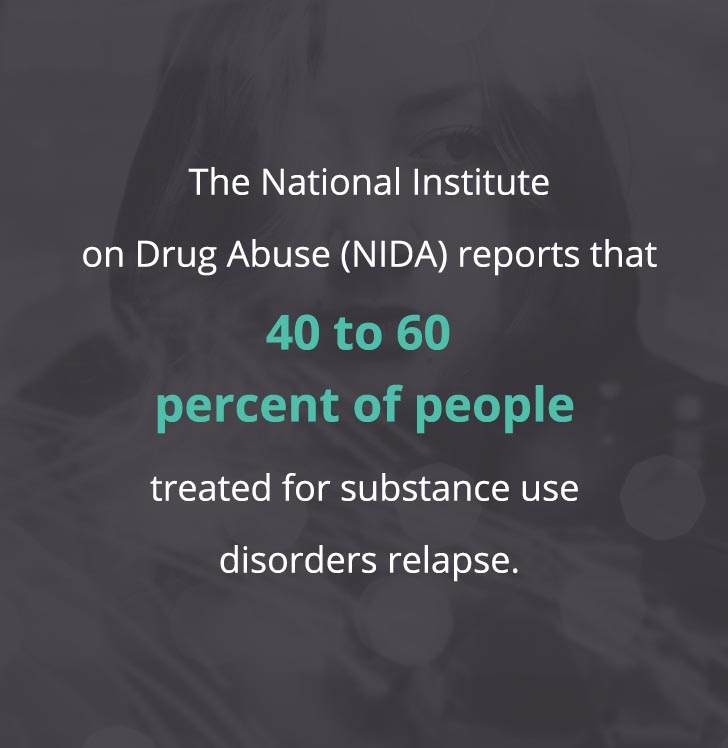
Little Known Facts About How Many People Not Recieve Addiction Treatment.
They often vacillate from preparation back to reflection as they encounter unanticipated intricacies or problems. The process of treatment preparation can assist customers maintain progress by spelling out reasonable expectations of the course of change and by offering tools for combating barriers to continuing development - how to get opiate addiction treatment discreetly. When preparing treatment with a customer in the preparation phase, the therapist can help break down into concrete jobs a more abstract method which the customer is considering or on which the client has chosen.
Therapists can offer time in session to prepare for possible outcomes of particular tasks and to https://live-free-drug-alcohol-detroit.business.site/posts/8590786590551035995 plan how the customer may react to these various outcomes. A therapist can likewise construct into the treatment plan time for discussing the real results of a customer's attempts at implementing jobs that are part of the larger strategy, with the specified goals of rewarding the customer's successes and learning from mistakes.
He informed his therapist he knew he would drink if he went alone, and since Karen does not drink, he felt great he could prevent drinking when he was with her. However, upon further questioning, Paul admitted that Karen was not aware of Paul's plan to give up drinking, nor his reason for asking her to accompany him (what is treatment for porn addiction) (what is drug addiction treatment).